

How Lead Time Impacts Furniture Manufacturing Cost
Keeping furniture manufacturing cost under control is a constant challenge for businesses sourcing custom furniture. While material and labor costs often receive the most attention, poorly managed lead times can also increase production expenses and reduce profitability. Whether production is rushed to meet tight deadlines or delayed by operational bottlenecks, inefficient lead time management creates unnecessary costs throughout the manufacturing process. This article explains how lead time influences furniture manufacturing cost and the strategies that help reduce unnecessary costs.
Understanding Lead Time in Furniture Manufacturing
While raw materials, labor, overhead, and logistics are among the major components of furniture manufacturing cost, lead time is another critical factor that influences overall manufacturing efficiency. Rather than representing a single production stage, lead time covers the entire workflow required to complete a furniture order.
In furniture manufacturing, lead time refers to the total time from order confirmation or deposit receipt until finished products are inspected, packed, and ready for shipment. It includes every stage of the production process, from material sourcing and machining to finishing, quality control, and packaging.
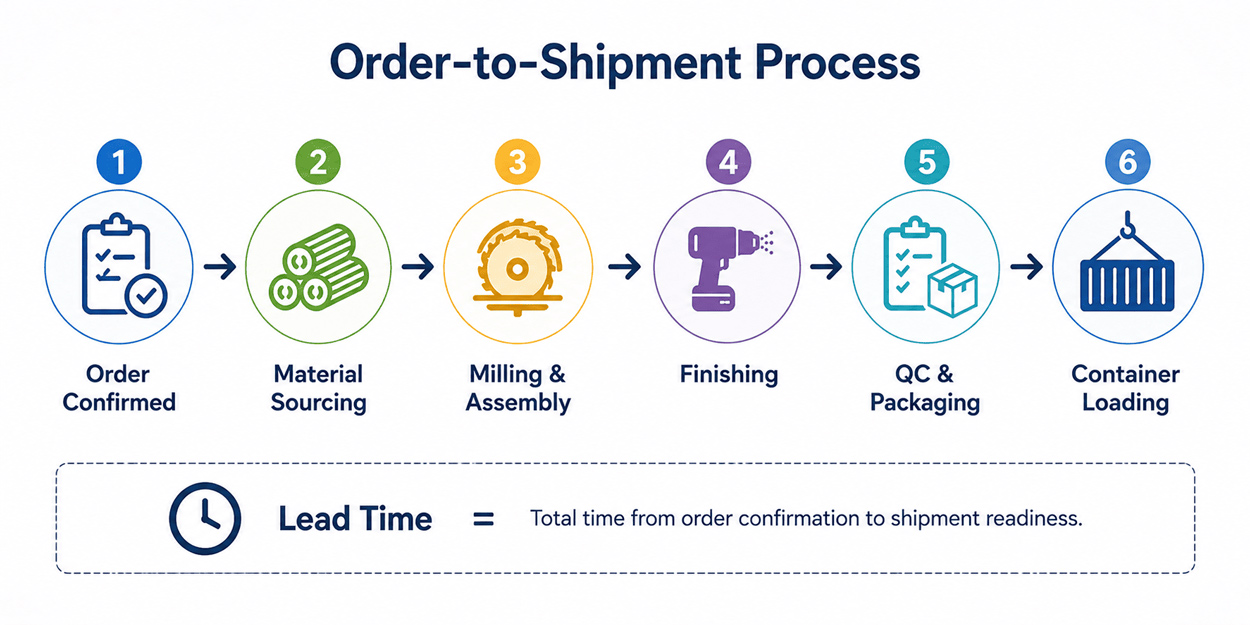
Each stage requires its own combination of labor, machinery, materials, and factory resources. As a result, production lead time is closely connected to the overall cost of manufacturing. Changes in the duration or efficiency of any stage can influence production planning, resource utilization, and ultimately the total manufacturing cost.
Understanding how lead time is structured provides the foundation for examining why poor lead time management, whether caused by rushed production or extended delays, can significantly increase furniture manufacturing cost.
How Inefficient Lead Times Increase Production Operating Costs
Lead time affects far more than delivery schedules. It directly influences how efficiently a manufacturer utilizes labor, equipment, materials, and factory capacity. As production moves away from its optimal schedule, operating costs begin to increase, even when the product specifications and minimum order quantity (MOQ) remain unchanged.
In practice, furniture manufacturing cost is most affected under two common production scenarios: compressed production schedules, where factories must accelerate operations to meet urgent deadlines, and extended lead times, where delays reduce resource efficiency and increase indirect operating costs. Although these situations have different causes, both reduce manufacturing efficiency and place additional pressure on production budgets.
Cost Impact of Compressed Production Schedules
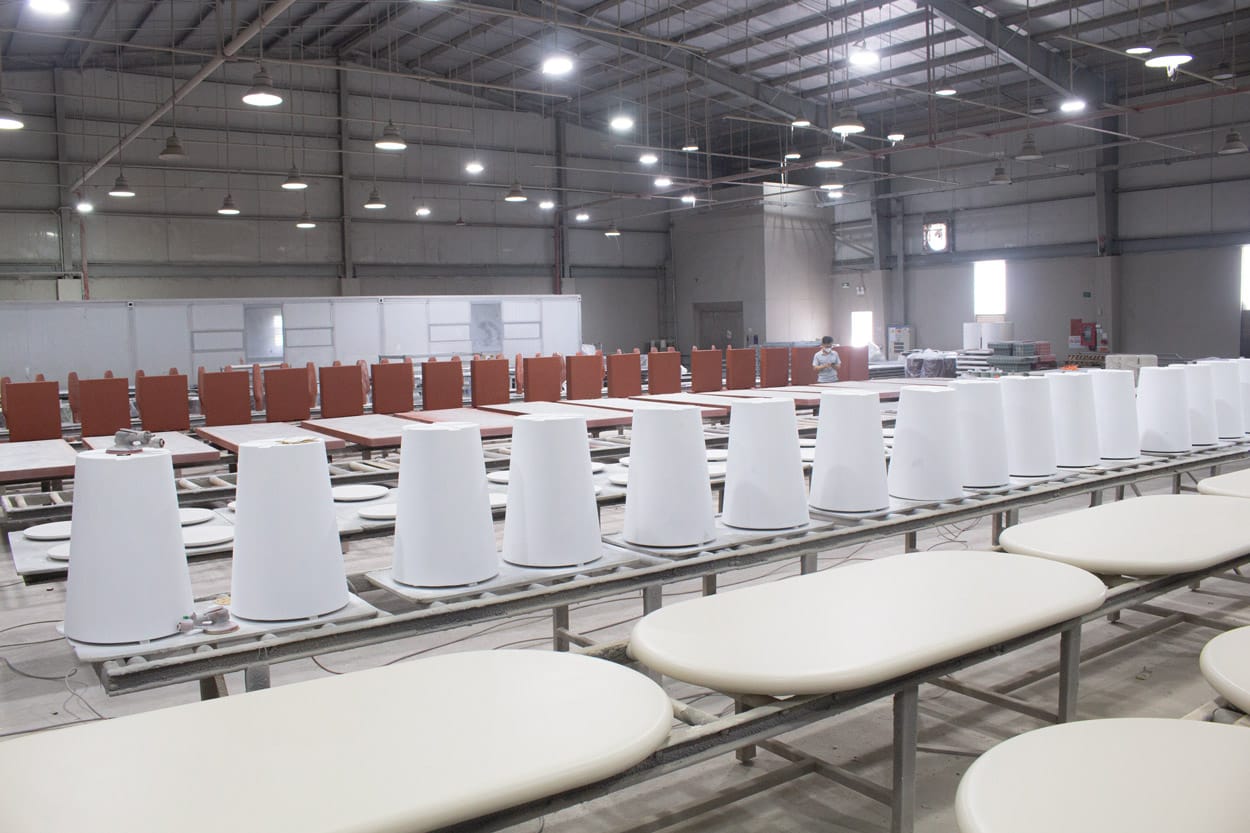
Compressed production schedules typically occur when buyers request shorter delivery times or when unexpected delays leave manufacturers with less time to complete production. To meet the required shipping date, factories often have to shift from an optimized production plan to an accelerated workflow.
Even when the MOQ remains unchanged, manufacturers lose the efficiency of balanced production scheduling. Instead of following a stable workflow, they must prioritize speed, which increases operating costs across several areas.
Higher Labor Expenses
Accelerated production frequently requires overtime shifts to maintain output. Since overtime wages are significantly higher than standard working hours, labor costs increase immediately. More importantly, prolonged overtime can reduce workforce productivity. Employee fatigue raises the likelihood of production errors, rework, and quality defects, creating hidden costs that extend beyond payroll expenses.
Increased Equipment Utilization and Maintenance Costs
Compressed schedules often require CNC machines, sanding lines, pressing equipment, and finishing systems to operate continuously with minimal downtime. While this improves short-term output, it accelerates equipment wear, increases maintenance frequency, and raises the risk of unexpected machine failures that disrupt future production.
Production Rescheduling and Changeover Costs
Compressed schedules can force manufacturers to interrupt an optimized production sequence. Additional machine setup, material changeovers, and smaller production batches reduce operational efficiency. The factory may complete the urgent order on time, but at a higher unit cost and with potential disruption to other orders in the production queue.
For example, inserting an urgent order for 500 tables while producing 3,000 chairs requires production rescheduling and additional machine setups, reducing operational efficiency and increasing manufacturing costs.

Cost Impact of Extended Lead Times
While rushed production increases direct operating costs, unnecessarily long lead times create a different set of financial challenges. Extended production schedules often reduce factory efficiency by keeping inventory, equipment, and working capital tied up for longer than necessary.
Higher Inventory Holding Costs
Longer lead times generally require manufacturers to hold raw materials, work-in-progress inventory, or finished products for extended periods. This increases warehousing costs, inventory management expenses, and the amount of capital tied up before products can be shipped and invoiced.
Reduced Factory Throughput and Capacity Availability
When production takes longer than planned, raw materials and work-in-progress inventory remain in the factory longer, occupying space and tying up production resources. These delays reduce factory throughput, postpone capacity for new orders, and increase indirect operating costs.
For example, if one production line remains occupied with a delayed order for an additional week, the factory may have to postpone incoming projects or reject new orders due to limited available capacity.
Increased Overhead and Cash Flow Pressure
Extended lead times also increase indirect manufacturing costs such as factory utilities, equipment depreciation, quality supervision, and administrative expenses. At the same time, slower production cycles delay customer payments, creating additional pressure on cash flow and reducing overall operational flexibility.
Ultimately, whether production schedules are compressed or unnecessarily extended, inefficient lead time management leads to higher furniture manufacturing cost. The objective is not to achieve the shortest possible lead time, but to establish an optimized production schedule that balances cost, quality, and delivery performance.
How Lead Time Influences Material Procurement Costs
Raw materials typically account for the largest share of furniture manufacturing cost, making procurement efficiency a critical factor in overall production cost. Beyond determining when materials arrive, lead time influences how effectively procurement teams can source materials, negotiate with suppliers, and coordinate deliveries with production schedules, ultimately affecting overall furniture manufacturing cost
More Supplier Options and Better Negotiation
Longer lead times give procurement teams greater flexibility when selecting suppliers. Instead of relying only on vendors with immediate stock availability, manufacturers can compare multiple suppliers based on price, quality, production capability, and delivery reliability. Additional planning time also strengthens negotiating power, allowing buyers to secure more favorable pricing, payment terms, and volume discounts.
By contrast, compressed lead times often force manufacturers to purchase from whichever supplier can deliver fastest, even if material prices are higher or purchasing conditions are less favorable.
Improved Procurement Planning and Material Availability
Adequate lead time also allows manufacturers to plan material purchases more efficiently. Procurement teams can consolidate purchase orders, coordinate inbound deliveries with production schedules, and ensure that the correct materials are available before manufacturing begins.
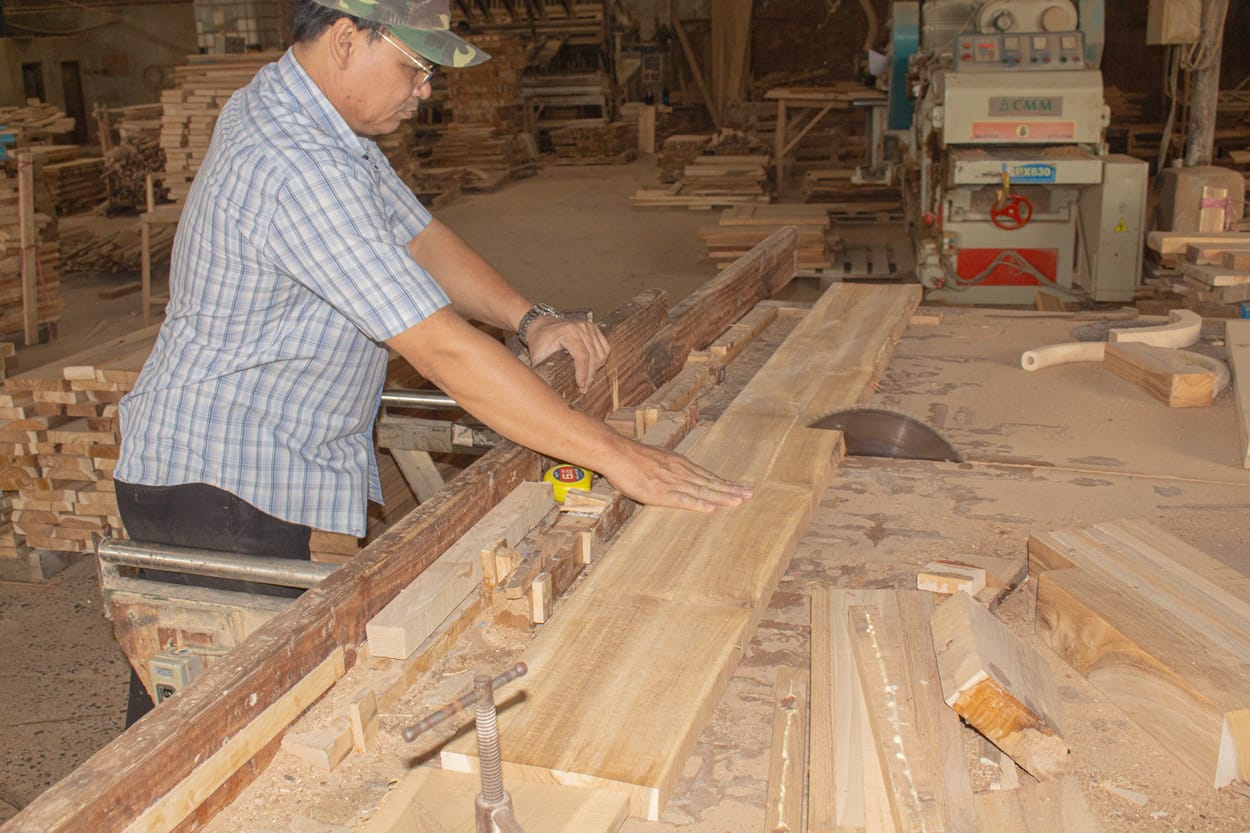
For materials with longer sourcing cycles, such as imported solid wood materials or other premium natural wood options, sufficient lead time reduces the risk of production delays caused by late material arrivals. Better procurement planning minimizes disruptions throughout the manufacturing process while helping maintain stable production costs.
Lower Emergency Purchasing Costs
When lead times become too short, procurement teams often lose the flexibility to follow normal purchasing procedures. Instead of selecting the most cost-effective supplier, they may need to place urgent orders with suppliers that have immediate inventory or pay premium prices for expedited material deliveries.
For example, if a manufacturer sources teak in Vietnam but faces a short production timeline, the procurement team may need to buy available stock from local suppliers at higher prices or arrange faster delivery. While production stays on schedule, these decisions increase material costs and overall furniture manufacturing cost.
How Lead Time Affects Logistics and Shipping Costs
Production lead time directly influences furniture manufacturing cost by affecting logistics planning, shipping efficiency, and transportation expenses. When manufacturing stays on schedule, manufacturers have sufficient time to book shipments, consolidate cargo, and optimize container loading. However, compressed or delayed production schedules reduce this flexibility, often resulting in higher transportation and logistics costs.
Higher Transportation Costs
When production finishes later than planned, manufacturers may have limited shipping options to meet the customer’s required delivery date. Instead of selecting the most cost-effective transportation method, they may need to book faster shipping services or accept higher freight rates for available vessel space.
For example, if production is completed after the original vessel cut-off date, the shipment may need to be rebooked on the next available sailing with a higher spot freight rate. Although the delivery schedule can still be maintained, transportation costs increase significantly.
Lower Container Utilization
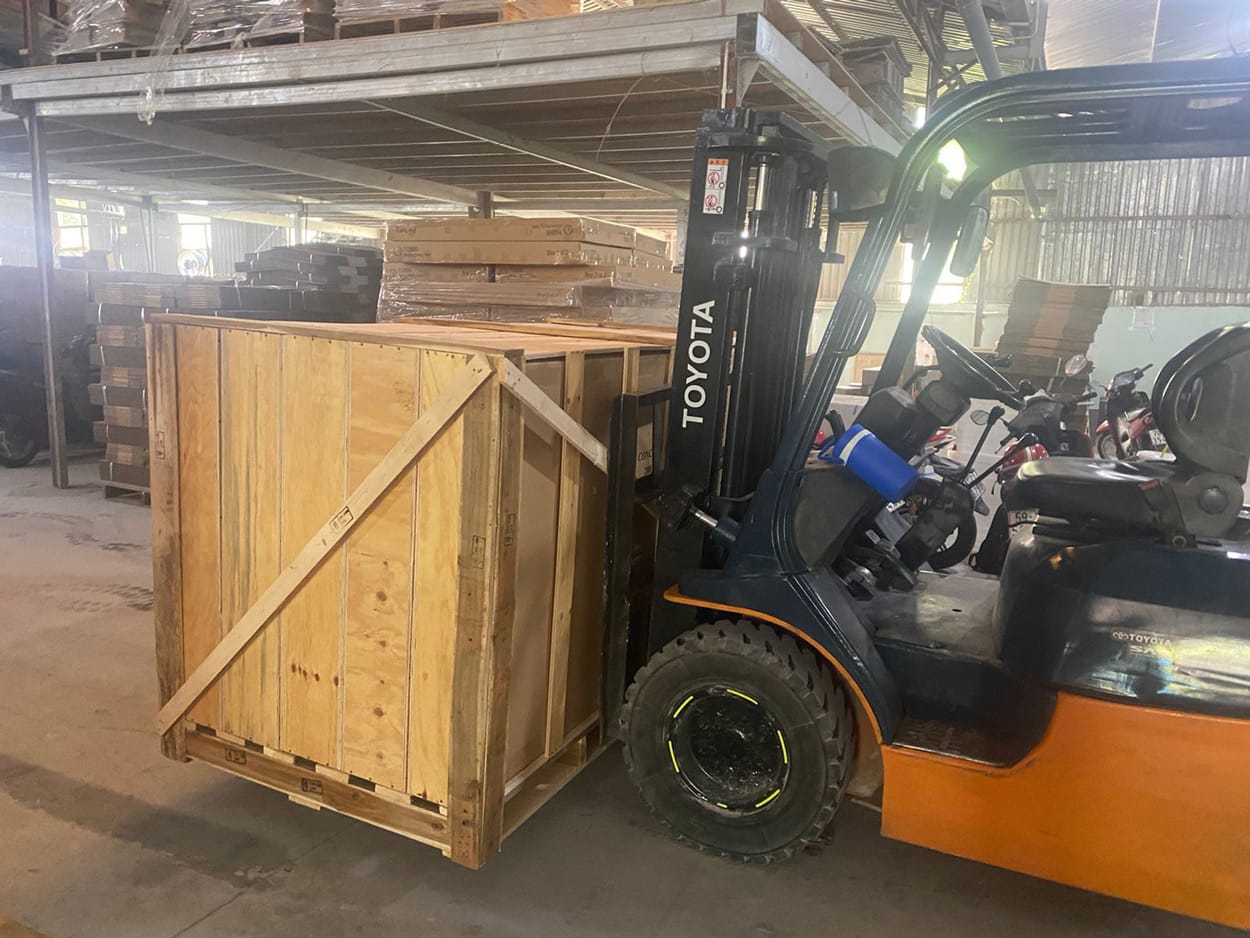
Efficient container loading requires careful planning and coordination between production, packaging, and logistics teams. When production schedules become compressed, there is less time to optimize loading plans or consolidate shipments.
As a result, containers may not be fully utilized, increasing freight cost per unit and reducing overall shipping efficiency.
Additional Logistics and Coordination Costs
Inefficient lead times also create additional administrative and coordination work throughout the shipping process. Manufacturers may need to revise booking schedules, adjust shipping documentation, coordinate multiple suppliers, or reorganize loading plans to accommodate production changes.
Although each adjustment may seem relatively small, together they increase logistics management costs and place additional pressure on the supply chain.
Missed Shipping Schedules and Delivery Risks
Poorly managed lead times also increase the likelihood of missing planned shipping schedules. Delayed production can result in missed vessel cut-off times, postponed departures, or split shipments when only part of an order is ready for export.
Beyond the immediate logistics expenses, these disruptions can affect project schedules, delay customer deliveries, and increase the overall cost of fulfilling the order.
How to Optimize Lead Time and Control Furniture Manufacturing Cost
Reducing lead time does not necessarily reduce furniture manufacturing cost. Instead, manufacturers should focus on establishing an optimized production schedule that balances efficiency, quality, and delivery performance. Effective lead time management requires coordination across procurement, production planning, and logistics rather than simply accelerating manufacturing activities.
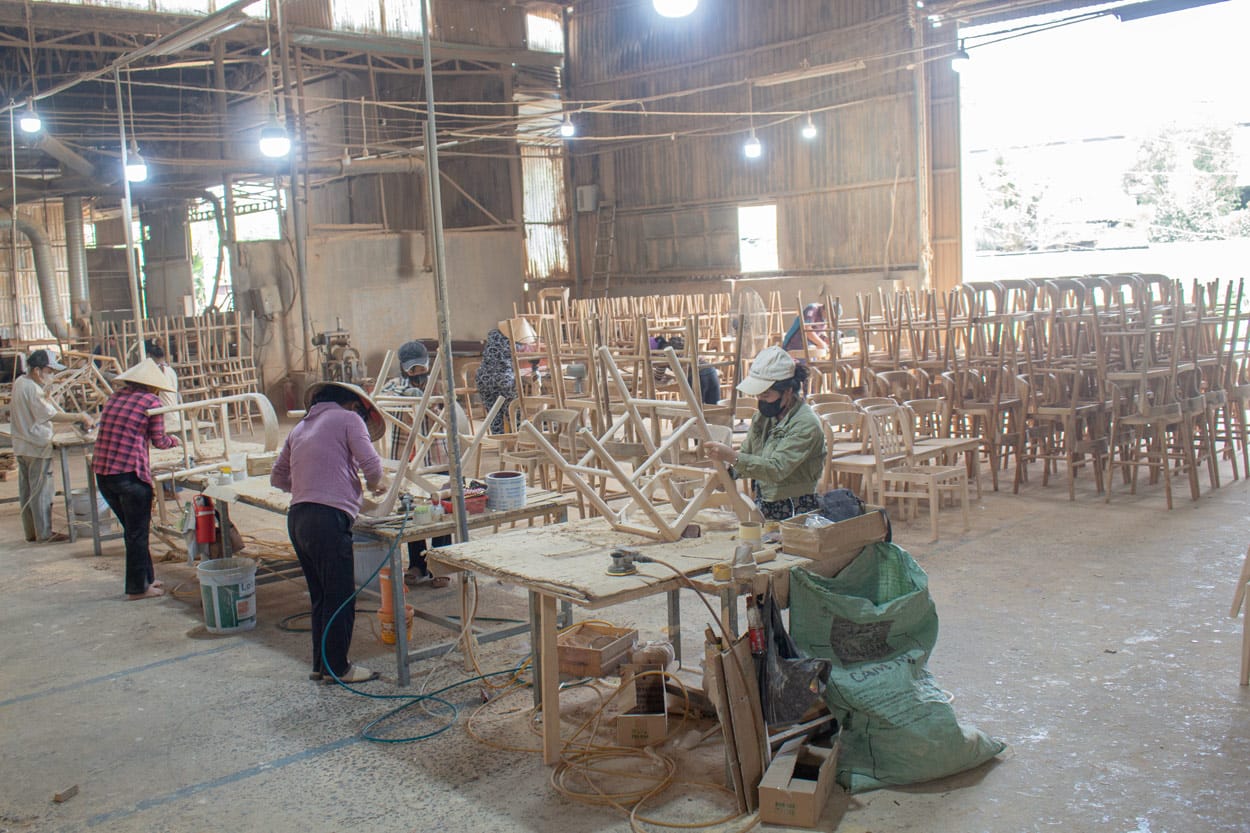
Improve Demand Forecasting and Production Planning
The earlier production requirements are communicated, the more efficiently manufacturers can allocate factory capacity, schedule procurement, and organize production resources. Accurate demand forecasting also reduces the likelihood of urgent schedule changes that disrupt manufacturing efficiency and increase operating costs.
Whenever possible, buyers should share production forecasts several months in advance, particularly for large-volume or recurring orders.
Strengthen Procurement and Supplier Coordination
Material procurement should be planned alongside production schedules rather than after orders are confirmed. Close coordination with suppliers helps ensure material availability, reduces emergency purchasing, and minimizes delays caused by late deliveries.
Maintaining long-term supplier relationships and regularly reviewing supplier lead times also improves procurement flexibility and reduces supply chain risks.
Increase Production Visibility Through Digital Planning
Manufacturers can improve lead time performance by monitoring production progress in real time. ERP, MES, and production scheduling systems help identify bottlenecks earlier, allowing production teams to adjust capacity before delays affect downstream operations.
Better production visibility also supports more accurate delivery planning and reduces unnecessary operating costs.
Coordinate Production and Logistics Early
Production planning should be closely aligned with logistics planning from the beginning of each project. Early shipment booking, container planning, and delivery coordination provide greater flexibility when production schedules change and reduce the likelihood of expensive last-minute transportation decisions.
Rather than treating logistics as the final stage of production, manufacturers should integrate shipping plans into the overall production schedule to improve both cost efficiency and on-time delivery performance.
Effective lead time management requires coordination across procurement, production planning, and logistics rather than simply accelerating manufacturing activities.
| Cost Driver | Impact of Poor Lead Time Management | Business Outcome |
|---|---|---|
| Production Operations | Overtime, production rescheduling, increased equipment utilization | Higher operating costs |
| Material Procurement | Limited supplier options, emergency purchasing | Higher material costs |
| Inventory Management | Longer inventory holding and tied-up working capital | Higher inventory costs |
| Logistics | Shipment changes, reduced shipping flexibility, lower container utilization | Higher transportation costs |
| Optimized Lead Time | Better coordination across procurement, production, and logistics | Lower manufacturing cost and improved operational efficiency |
Conclusion
Lead time is far more than a scheduling metric, it is a strategic factor that influences overall furniture manufacturing cost. From production operations and material procurement to inventory management and logistics planning, every stage of the manufacturing process depends on well-coordinated lead time management to operate efficiently.
Rather than pursuing the shortest possible production schedule, manufacturers should focus on establishing an optimized lead time that balances operational efficiency, cost control, delivery reliability, and consistent product quality. A well-planned production schedule enables businesses to reduce unnecessary costs without creating additional pressure on the supply chain.
At Aurora Craft, we believe effective lead time management is about optimization, not acceleration. By integrating procurement planning, production scheduling, and logistics coordination from the beginning of every project, we help customers achieve greater manufacturing efficiency while maintaining the high-quality standards expected for export furniture.
Contact Aurora Craft to discuss how an optimized production schedule can support your next furniture project.

-
 Furniture Export Logistics from Vietnam: A Complete Guide for International Buyers
 -
How Lead Time Impacts Furniture Manufacturing Cost
-
 MOQ in Furniture Manufacturing: Cost Drivers Buyers Often Miss
 -
5 Best Factory Tips to Lower Custom Furniture Costs
-
Definition of MDF Wood: Properties, Types, and Applications Explained
-
How Hotel Furniture Wholesale Can Save Costs for Large Projects


