

Furniture Materials:
The Foundation of Furniture Manufacturing
Understanding furniture materials means understanding how furniture is designed, produced, and delivered.
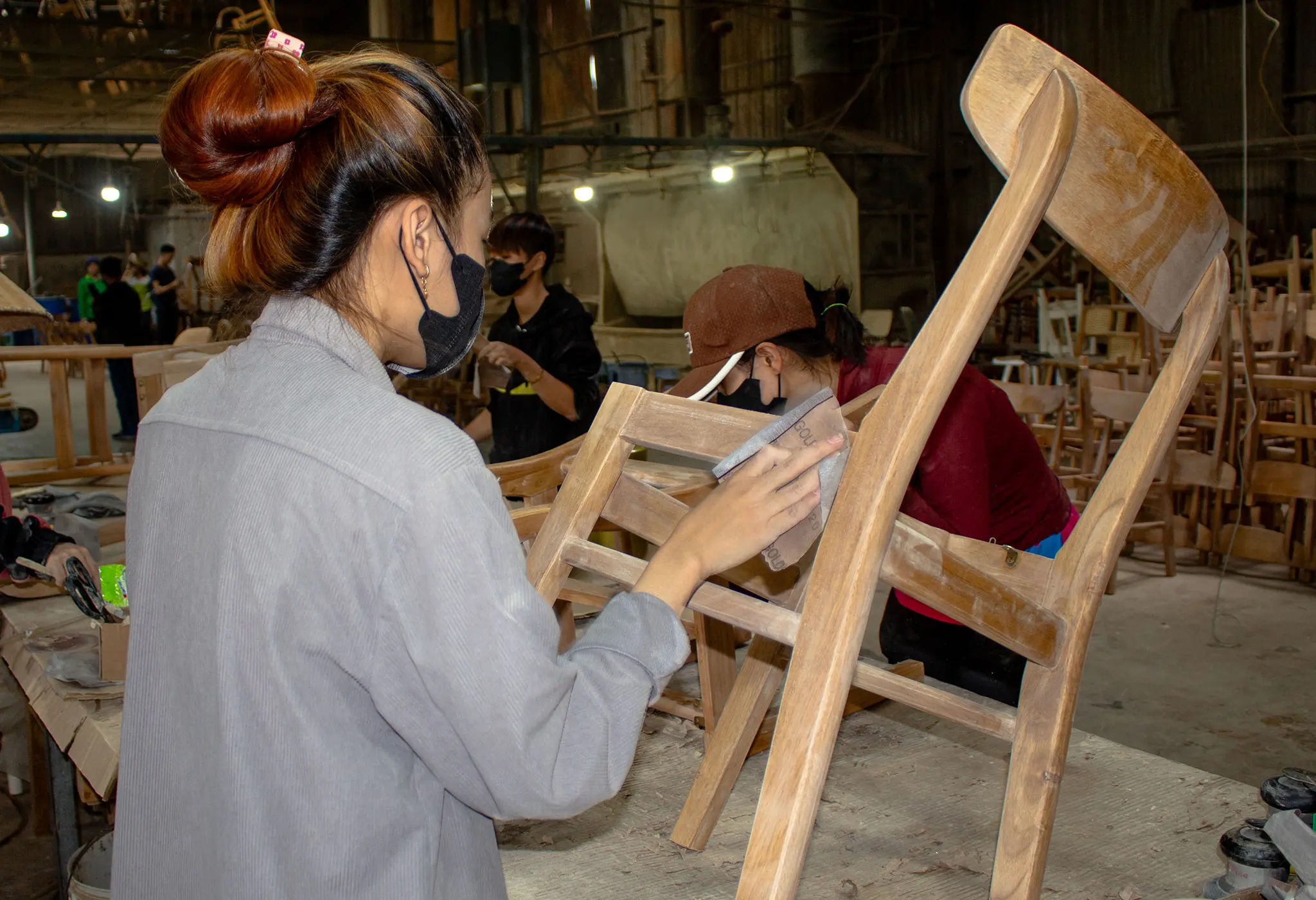
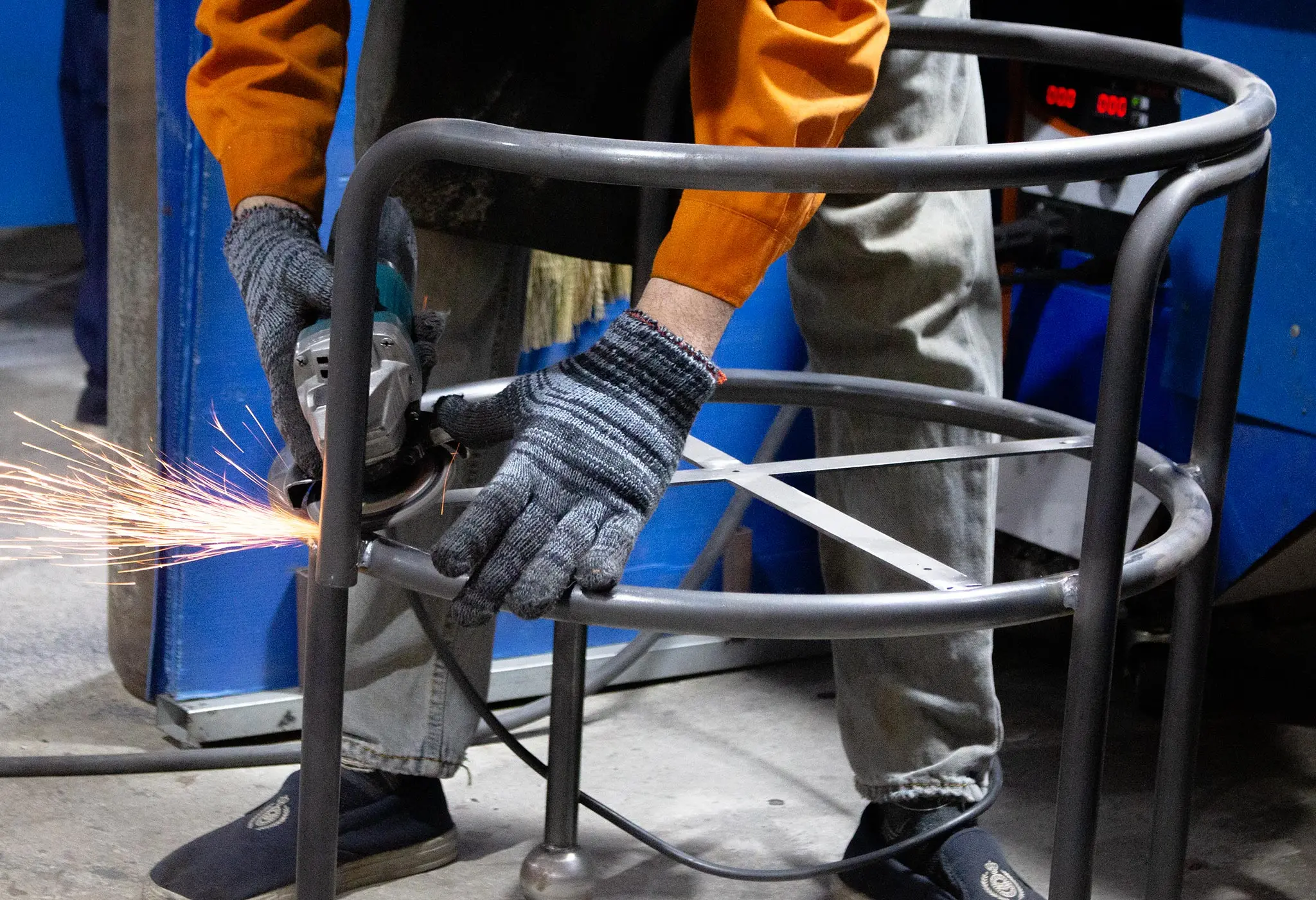
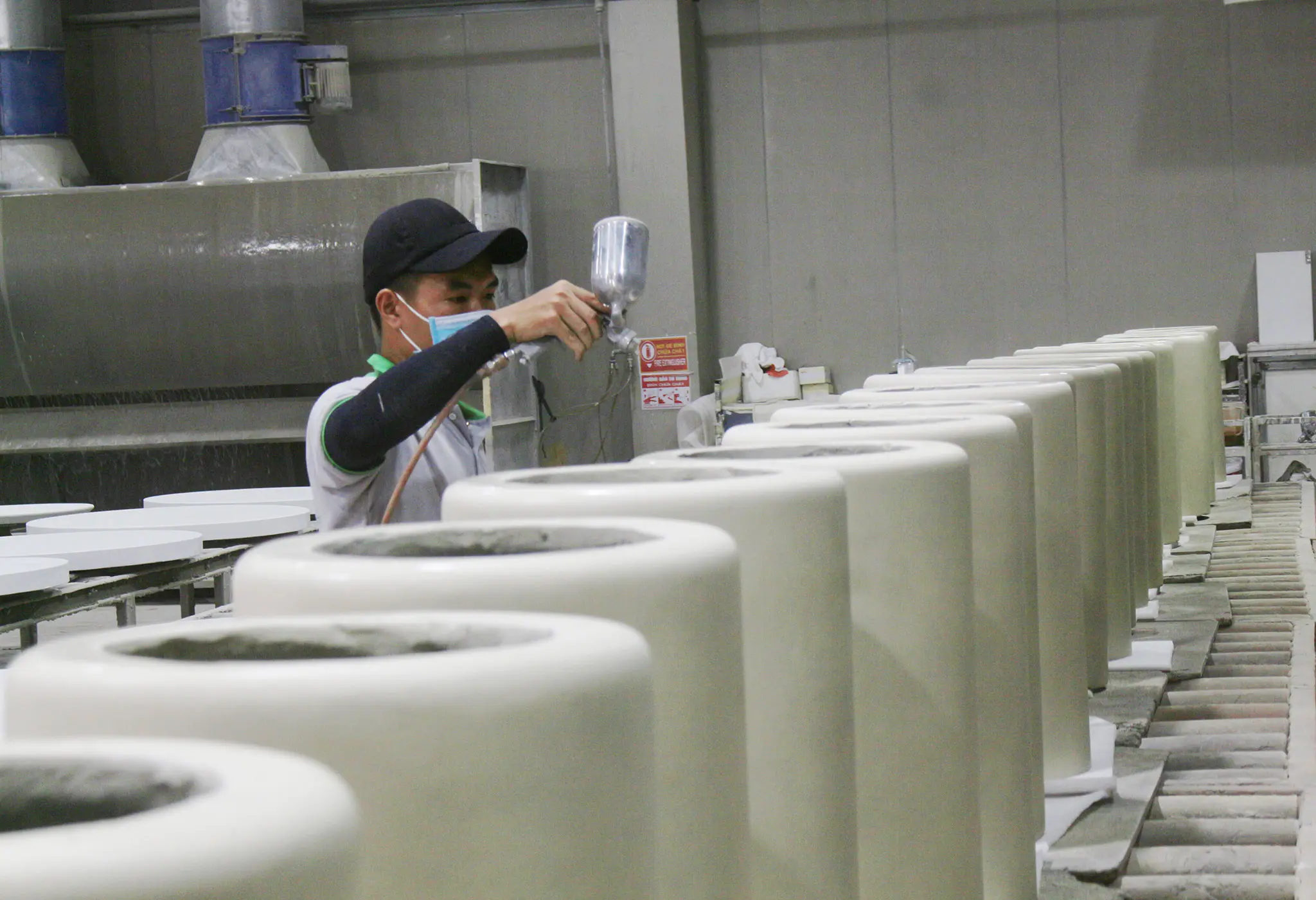
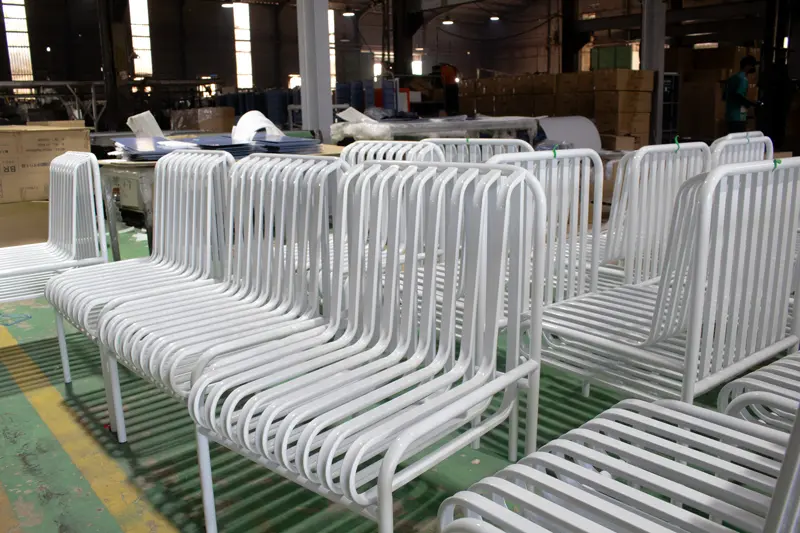
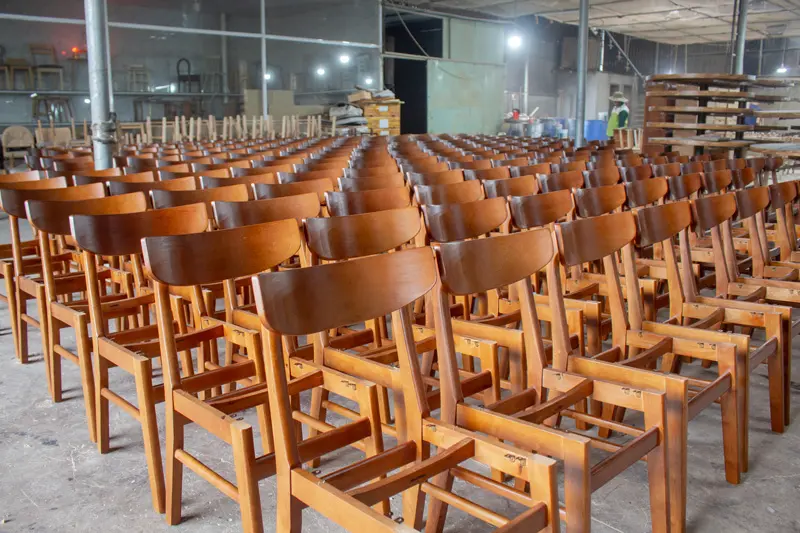
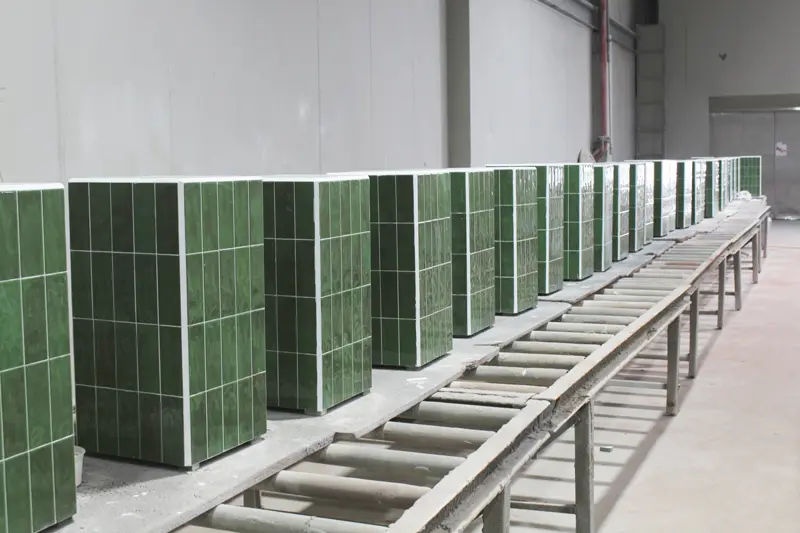
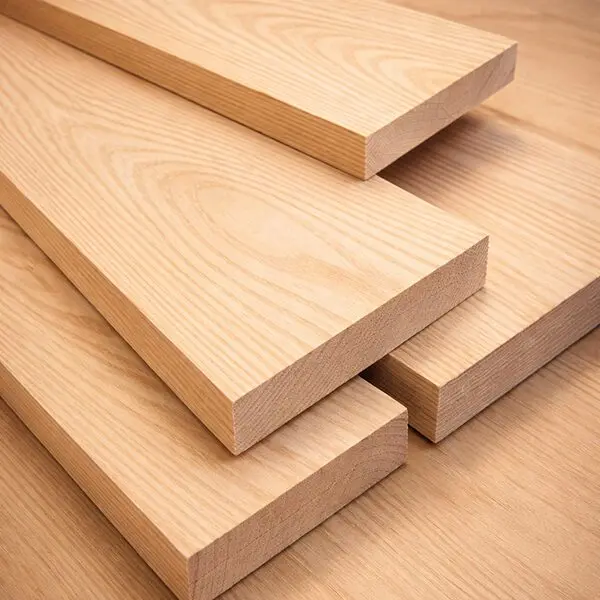
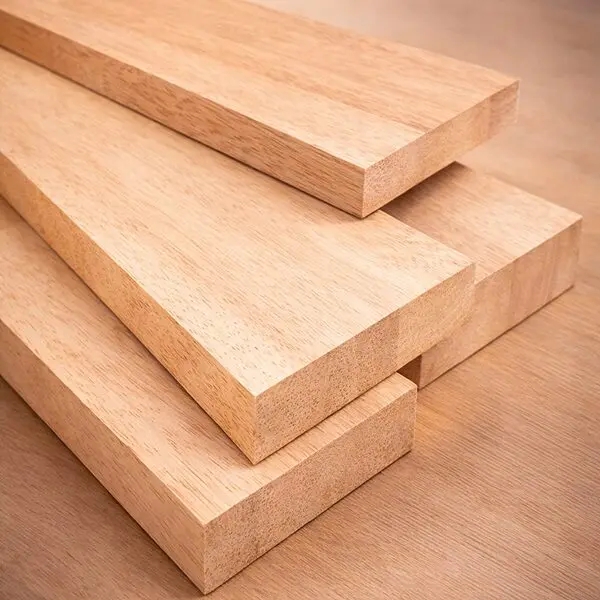
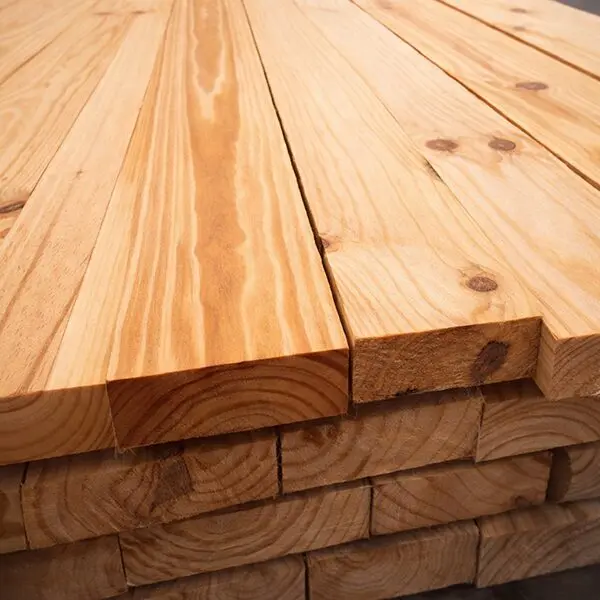
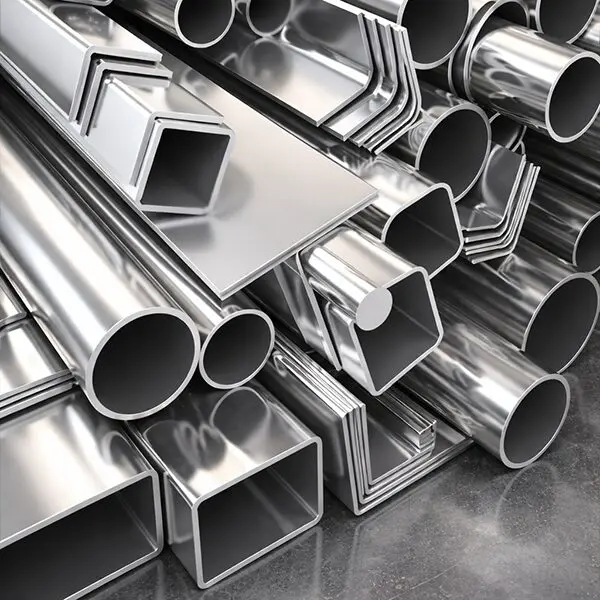
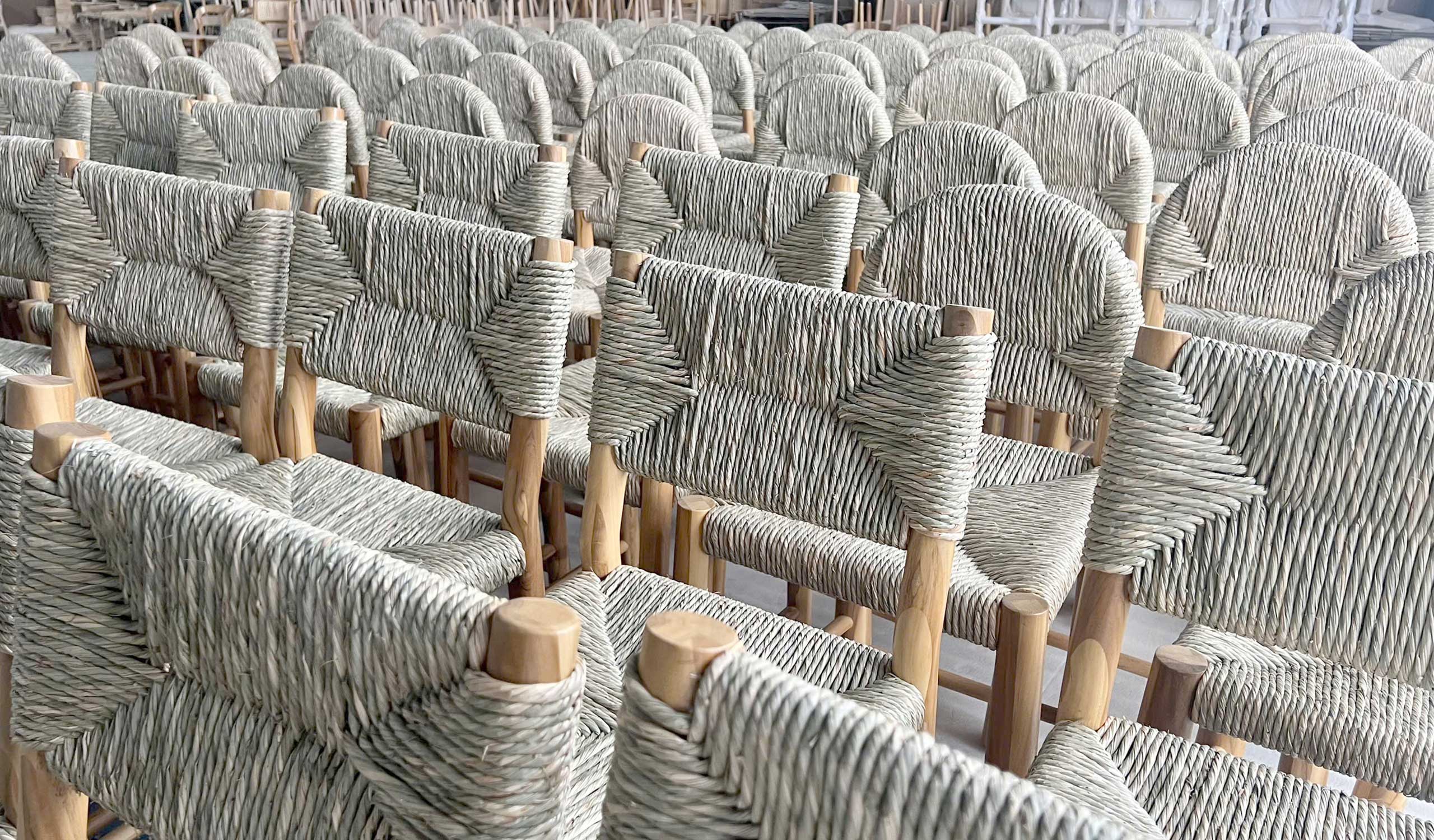
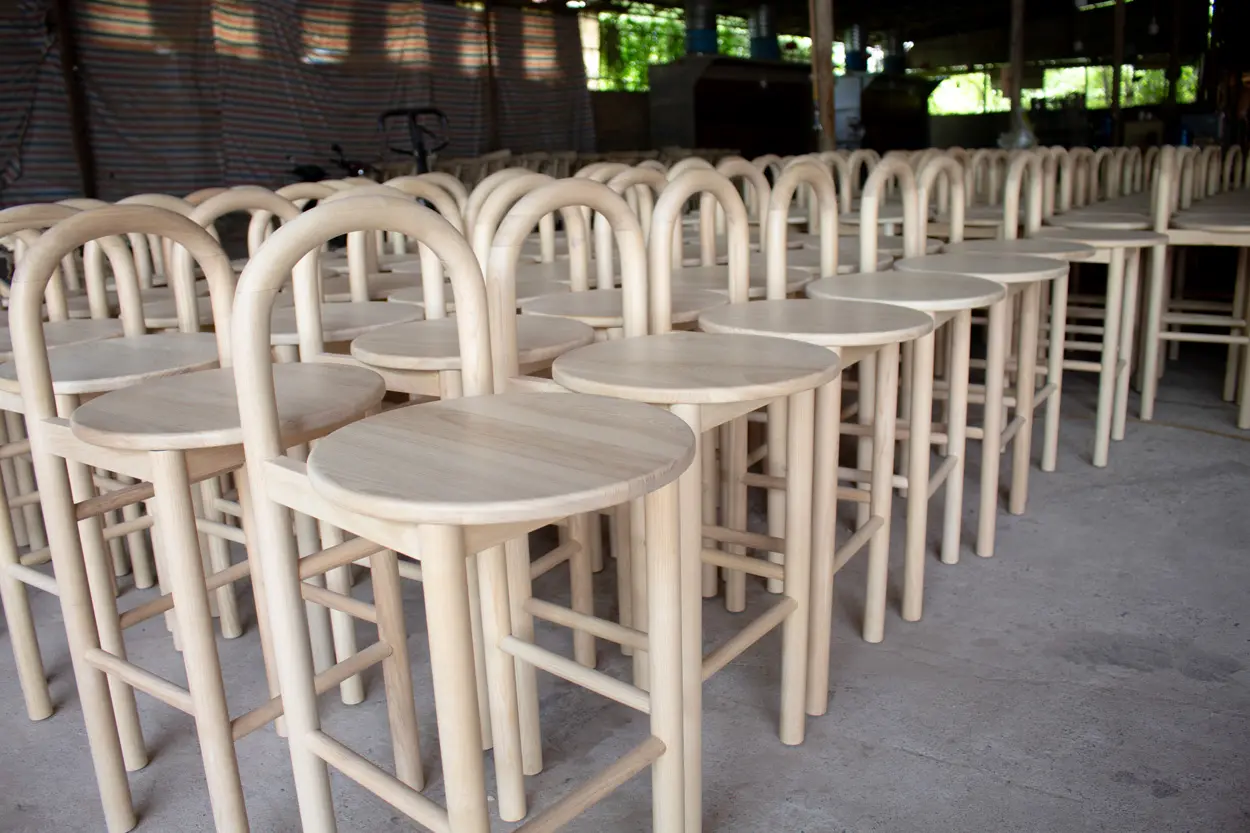
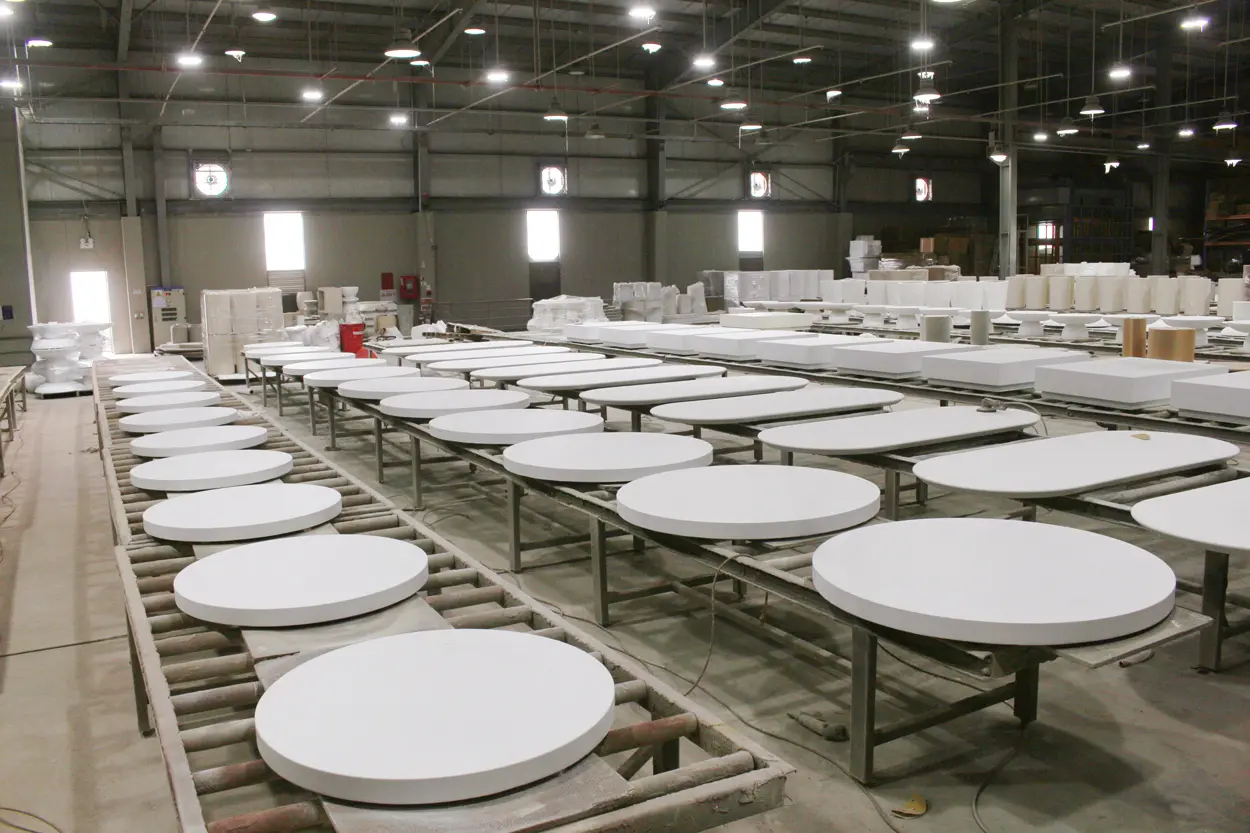
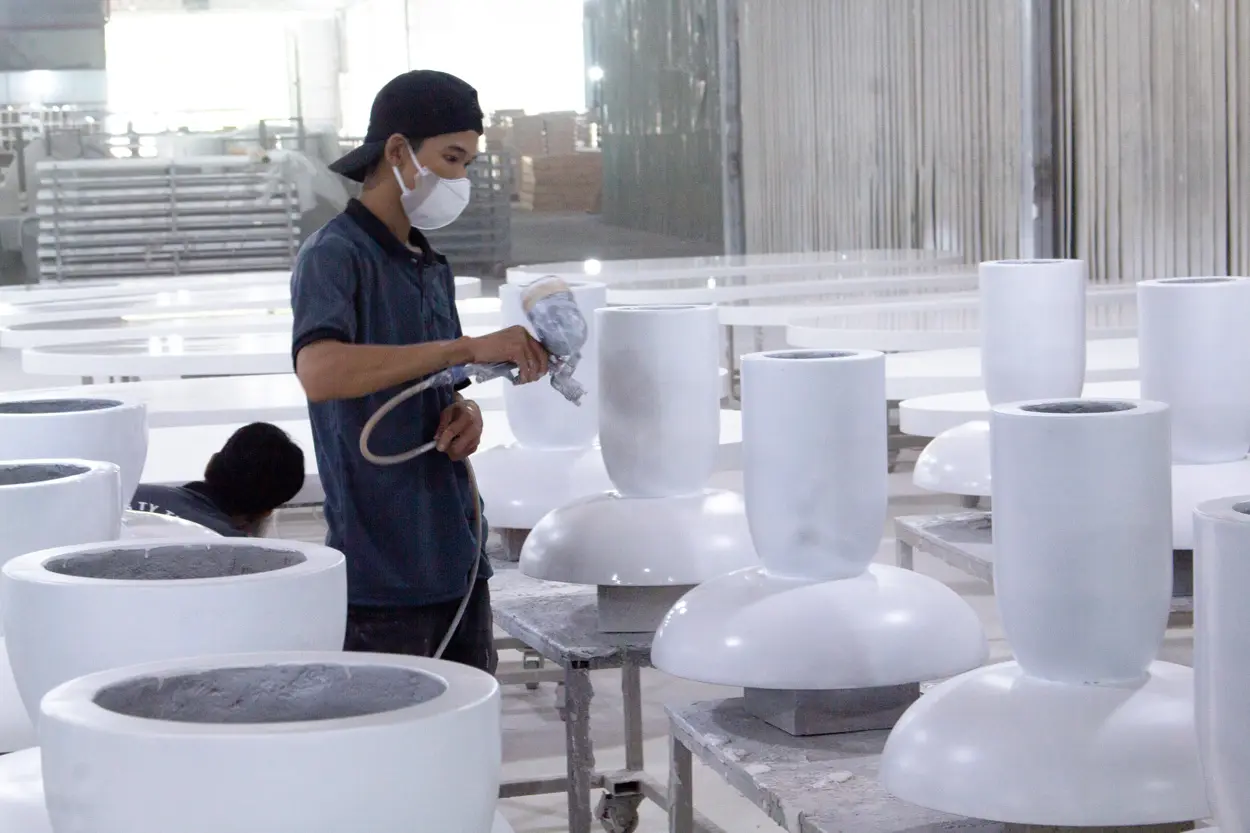
This overview introduces furniture materials commonly used in manufacturing in Vietnam, grounded in real production practice. The materials shown here represent what we commonly produce, not the limits of what we can manufacture, as Aurora Craft remains ready to work with client-specified materials.
Step 1.
Material Receiving at Incoming Area
All incoming materials are unloaded at the Incoming Inspection Area, verified for material type, supplier, PO, and batch/lot, and assigned “Pending Inspection” status before entering production or storage.
Step 2.
Document Verification
Inspection personnel verify all required documents before physical inspection, including document consistency, material specifications, certifications, and lot traceability; any materials with missing or inconsistent documentation are placed on hold.
Step 3.
Visual Inspection
A full visual inspection is performed on all incoming materials to assess appearance, surface condition, packaging, and any visible defects or damage; materials with major defects are isolated for further evaluation.
Step 4.
Sampling for Detailed Inspection
Samples are selected according to internal sampling rules to represent the entire batch, taken from different pallets or bundles, covering both outer and inner positions, and are clearly identified and recorded.
Step 5.
Material-Specific Technical Inspection
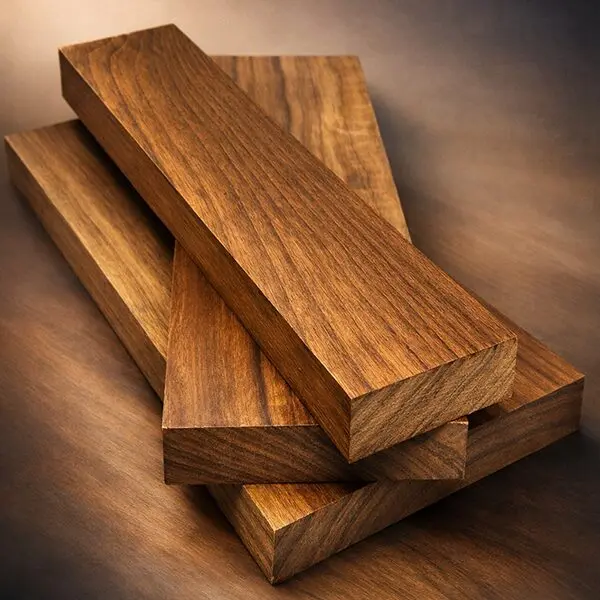
Wood: Moisture content, dimensional accuracy, and defects (warping, cracks, knots, insect damage, delamination).
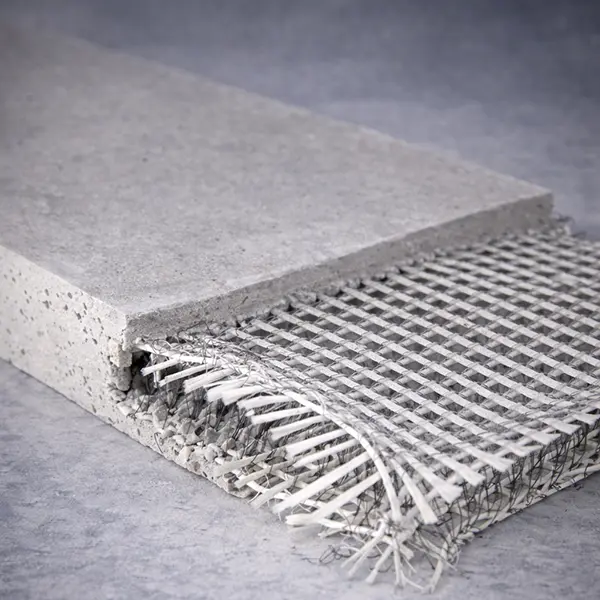
GFRC: Curing condition, surface quality, thickness/flatness, dimensional conformity, and structural integrity.
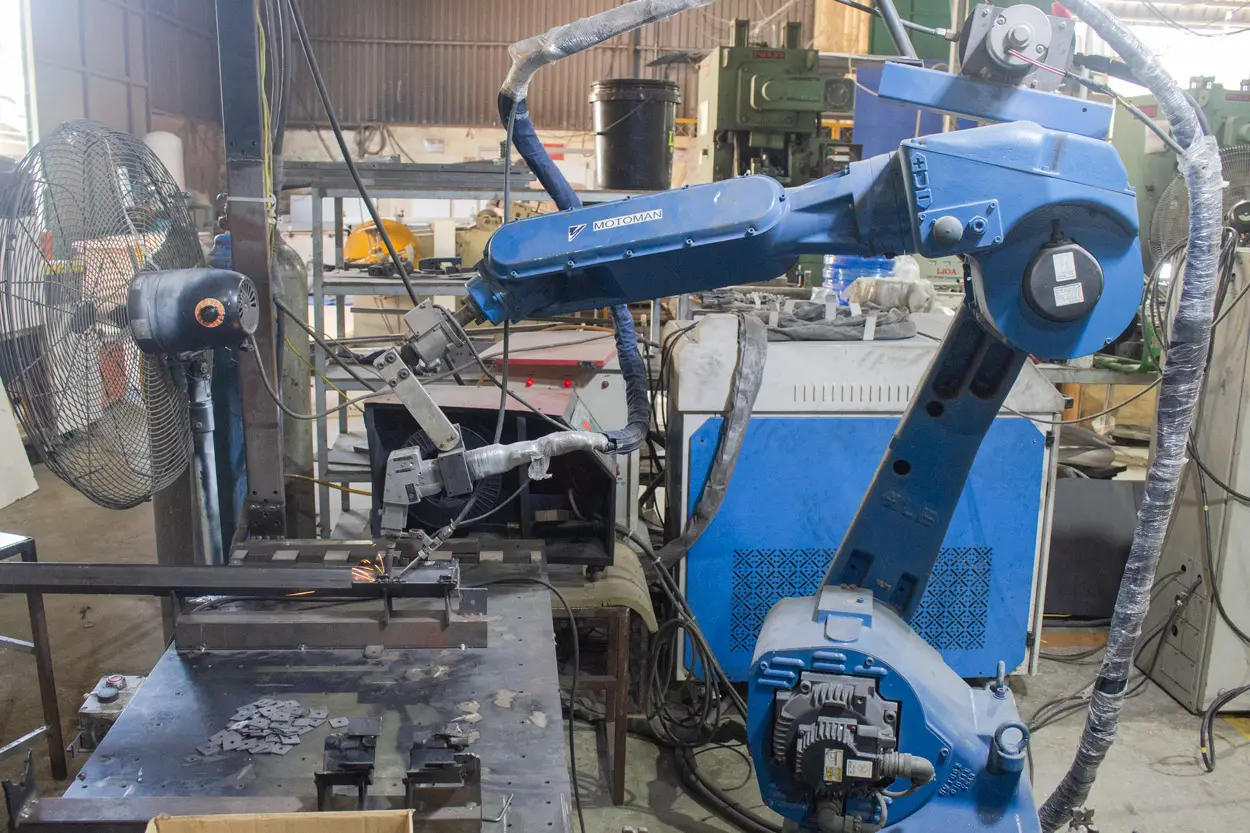
Metal: Material type and profile, thickness and dimensions, surface condition, and storage/protection status.
Step 6.
Evaluation and Material Status Classification
Based on inspection results, materials are classified as Approved, Conditionally Accepted (with restrictions or required treatment), or Rejected, and each batch is clearly labeled with its inspection status.
Step 7.
Incoming Inspection Report
An inspection report is prepared for each batch, documenting material and supplier details, inspection results and measurements, defect photos (if any), and the final decision; all records are retained for traceability and future reference.